Enquiry-to-booking control
Lead, quote, rate card and booking confirmation controls that prevent margin leakage before a shipment starts.
- Quote SLA
- Conversion
- Margin signal
Promoter questionWhich booking has margin risk before the truck moves?
CFO Angle helps logistics, transport and warehousing companies connect enquiry-to-booking, trip planning, POD, warehouse events, freight billing, settlements, customer support, vehicle control and profitability dashboards into one ERP-led operating system.
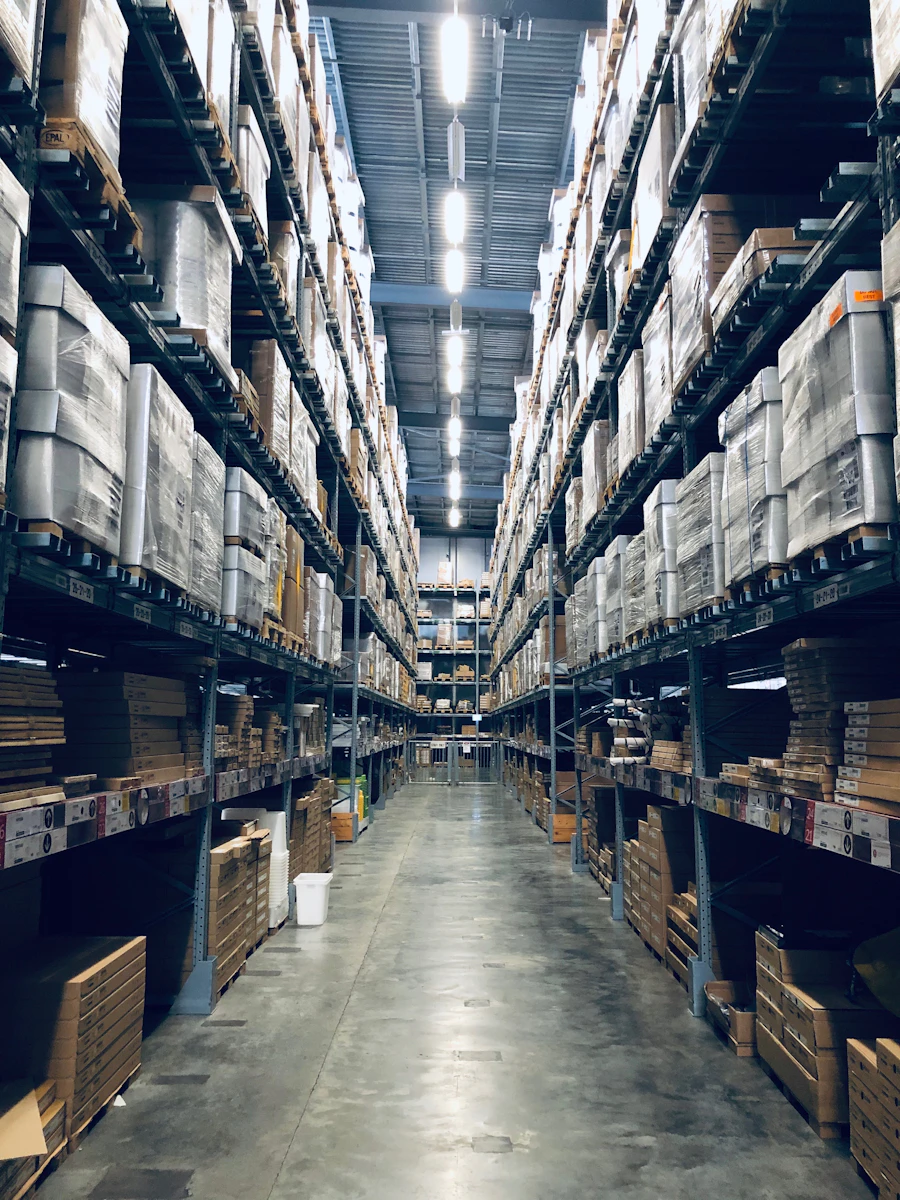
 Fleet dispatch control
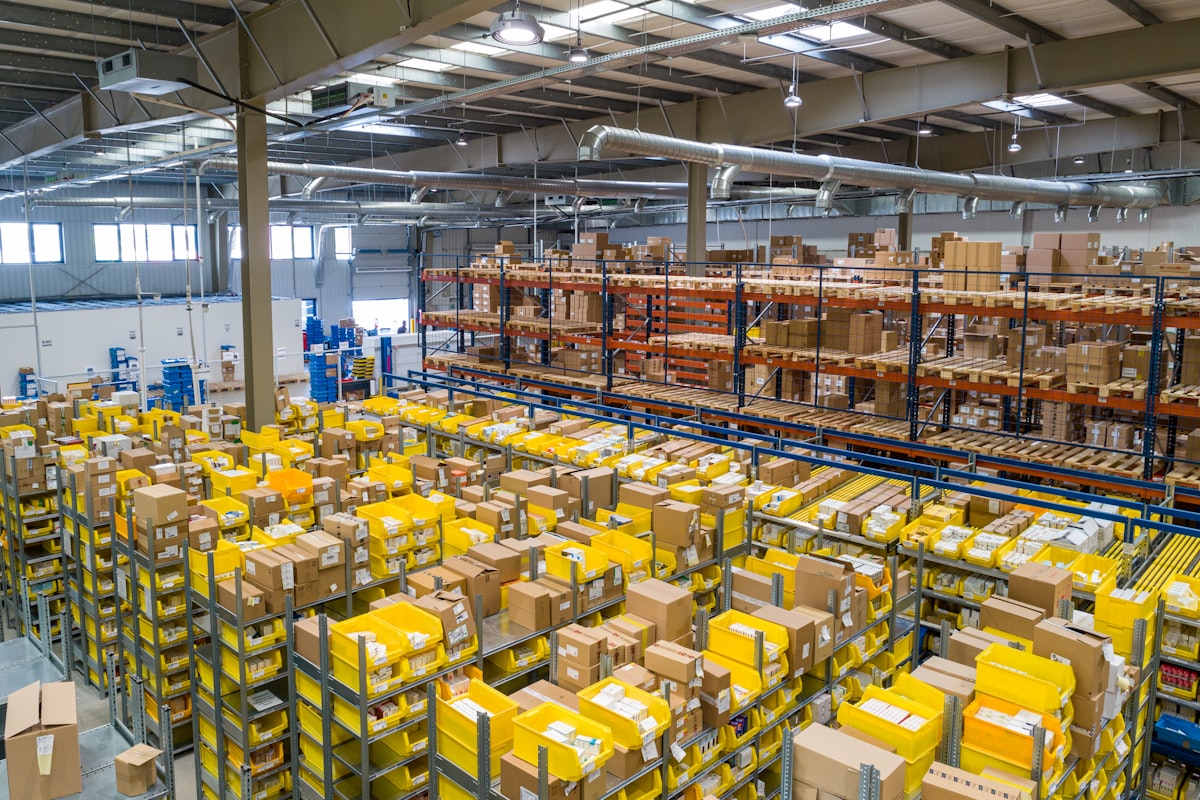
 Warehouse & Fulfillment
 POD & Billing
The page speaks to the business questions a logistics promoter actually asks before approving an ERP or CFO transformation: Which lane is profitable? Why is billing delayed after delivery? Where is COD or driver advance stuck? Which vehicle, warehouse or customer is hurting margin?
CFO Angle maps the logistics business flow before configuring Zoho, so enquiries, rate cards, bookings, dispatch, POD, billing, settlements, claims and dashboards work as one connected operating system.
Select any layer on the left to view the related ERP controls, key metrics and management view on the right.
Lead, quote, rate card and booking confirmation controls that prevent margin leakage before a shipment starts.
Vehicle allocation, driver assignment, fuel, tolls, advances and route updates are tied to one trip sheet.
Inbound, putaway, pick, pack, dispatch, return and damage events are captured by client, SKU and warehouse.
Delivery proof, NDR, shortage, damage and POD ageing are connected to billing and dispute resolution.
Rate cards, chargeable weight, fuel surcharge, accessorial charges and GST are tied to shipment facts.
COD collections, driver advances, fuel/toll spend, carrier payouts, refunds and vendor bills are reconciled faster.
Damage, shortage, delay, failed delivery and customer claims move through an owned ticket workflow.
Attendance, shifts, overtime, route productivity, vehicle documents, repairs and breakdowns become reviewable.
Revenue, direct cost, vendor charge, claims, billing leakage and overhead allocation create real logistics margin visibility.
The CFO review pack should show service performance and finance outcomes together, not accounting reports in isolation.
Revenue, bookings, trips, warehouse events, POD, billing, collections, claims, cash and profitability are reviewed in one management rhythm.
The same framework can be adapted for different logistics realities where shipments, POD, billing, COD, warehouse events and profitability behave differently.
Most logistics companies do not lose money in one obvious place. Losses hide across rate cards, POD delays, billing gaps, COD settlements, fuel and toll variance, claims, route inefficiency and delayed visibility on lane margins.
Rate cards, chargeable weight, accessorial charges, fuel surcharge, POD status and invoice triggers are not reconciled fast enough for clean billing.
POD files, NDR, shortage, damage, failed delivery and customer disputes sit in separate portals, WhatsApp groups or emails.
Driver advances, fuel/toll spend, COD, carrier payouts, refunds and vendor bills slow cash visibility and settlement closure.
Promoters receive shipment profitability, SLA, claims, billing ageing and cash-flow reports after the operating decision has already passed.
Logistics companies do not need only software. They need a business operating system that links CRM, booking, trip execution, warehouse events, POD, billing, settlements, support and CFO review.

Manage shippers, carriers, lanes, contracts, rate cards, enquiries, quotes and booking confirmations with controlled approval logic.

Connect dispatch planning, vehicle allocation, driver updates, route movement, POD capture and delivery exceptions in one workflow.

Control inbound, putaway, pick-pack-ship, returns, damages, client-wise inventory and warehouse productivity.

Make freight invoices, COD, driver advances, carrier payouts, refunds, vendor bills and receivables traceable.

Turn delivery complaints, shortages, damages, delays, NDR and claims into owned tickets with SLA visibility.

Track vehicle documents, breakdowns, preventive maintenance, repair tasks, vendor costs and fleet profitability.

Connect attendance, shifts, overtime, route productivity, payroll inputs, training and compliance documents.

Convert operations and finance data into lane, customer, vehicle, branch, warehouse, cash and profitability dashboards.
Zoho gives the system. CFO Angle gives the finance logic behind the system. A logistics ERP only works when the business knows how to define rate cards, POD ownership, billing triggers, settlement controls, customer SLA and lane profitability. CFO Angle builds the operating structure first, then configures Zoho around that structure.
Freight charges change due to weight, lane, surcharge, accessorials and POD status, but billing teams still use manual trackers.
CFO Angle builds billing trigger logic, rate-card checks and exception review. Zoho captures the shipment trail for invoice readiness and margin impact.
Delivered shipments remain unbilled because POD files, NDR and exception proof sit across portals, emails and WhatsApp.
CFO Angle maps POD ownership while Zoho tracks delivery proof, exception evidence and billing readiness.
COD, driver advances, carrier payouts, refunds and vendor bills do not reconcile quickly with operations.
CFO Angle defines settlement governance. Zoho Books supports receivables, payouts, expenses, refunds and reconciliation trails.
Management receives lane margin, SLA, claim and cash-flow reports after key operating decisions are already made.
CFO Angle designs MIS packs. Zoho Analytics turns ERP data into logistics margin, cash-flow, POD and SLA dashboards.
CFO Angle maps the operating logic first, then configures Zoho workflows so bookings, trips, POD, billing, settlements, support and MIS do not run as separate islands.

Booking, trip, POD and exception checkpoints are captured in one execution layer.

Inbound, putaway, pick-pack-dispatch, return and damage events become visible before service gaps appear.

POD, rate-card, COD, driver advance, carrier payout and GST records stay tied to the shipment record.

Attendance, overtime, training, vehicle documents and maintenance tasks support cleaner cost control and compliance.

Dashboards show SLA, billing ageing, claim trends, lane margin, customer profitability and cash in one review rhythm.
The implementation guide maps common logistics gaps across Tally, Excel, GPS portals, courier tools, WMS/TMS systems, manual POD files and WhatsApp updates. CFO Angle converts those gaps into a practical Zoho migration and control plan.
These references align with the logistics implementation guide and support CRM, operations, warehouse, billing, support, people and analytics conversations.
CFO Angle adapts the logistics ERP and CFO control framework to the operating model, billing model, customer promise and service complexity of each sub-sector.
CFO Angle brings CFO control into logistics ERP design so operations, billing, collections, claims and profitability are reviewed with the same numbers.
Map current bookings, rate cards, trip sheets, warehouse events, POD, billing, settlement and reporting gaps.
Define Zoho modules, approval logic, master data, roles, reports and migration priorities.
Configure CRM, Creator, Books, Inventory, Desk, People, Projects and Analytics around logistics workflows.
Clean customer, carrier, vehicle, lane, rate-card, opening balances, receivables and transaction data.
Train users, validate transactions, monitor exceptions and stabilize the first CFO review cycles.
CFO Angle can review your current logistics workflows, Zoho setup, Tally/Excel dependency, POD process, freight billing, settlements and MIS gaps, then map a practical ERP roadmap.