Zoho ERP Implementation Services India
Zoho ERP Implementation Services
in India
CFO-led Zoho ERP implementation services for businesses that want connected operations, inventory, sales, procurement, working capital, profitability, automation and leadership dashboards.
Implementation Readiness
Connected Outcomes
CFO-led ERP Implementation
Zoho ERP setup services for business reality
Business owners do not buy ERP only for accounting. They want to know where margins leak, stock gets blocked, vendors delay, customers become unprofitable, cash gets stuck and which business lines actually make money.
A good Zoho ERP implementation connects procurement, inventory, operations, sales, receivables, payables, profitability and dashboards. Done poorly, it becomes another software layer that still cannot answer promoter-level questions.
At CFO Angle, Zoho ERP implementation is led by CFO experts and business transformation teams who understand operating economics across manufacturing, trading, ecommerce, retail and real estate. We design Zoho around procurement, inventory control, working capital, profitability, approvals, MIS reporting ERP system Zoho dashboards and compliance, making the engagement closer to strategic ERP implementation consulting than basic software setup.
CFO Angle's difference: We lead with business architecture. Procurement, inventory, sales, operations, working capital, profitability and dashboards are mapped before the first module goes live.
Zoho ERP Implementation Services India
CFO-led Zoho ERP implementation services for growth-ready businesses
CFO Angle works as a Zoho ERP consultant in India, Zoho ERP implementation partner and business-first Zoho ERP implementation company for SMEs and multi-location teams that need setup, migration, automation, reporting and adoption handled properly.
Zoho suite implementation
Zoho One implementation services, Zoho Books implementation services, Zoho Inventory setup and implementation, Zoho CRM ERP integration services and Zoho Analytics dashboard setup under one roadmap.
Migration and automation
Tally to Zoho ERP migration, legacy system to Zoho ERP migration, accounting system migration to ERP and business process automation using Zoho ERP with reconciled opening balances.
Cost and roadmap clarity
Zoho ERP implementation cost in India depends on users, entities, modules, data quality, integrations and dashboards. We provide Zoho ERP setup cost planning before configuration begins.
Business Problem Library
Search Your Business Problem. See the Zoho-Powered Path to Profit.
We mapped 100 common ERP, finance, sales, inventory and operations problems to practical business fixes and Zoho workflows. Search your issue below and find where your business is leaking time, cash or profit.
Start by searching a keyword or selecting a tag below.
No exact match found.
Your problem may still be solvable with the right Zoho ERP workflow. CFO Angle can help map your process, data, controls and reporting requirements.
Map My ERP ProblemFound a problem that looks familiar?
Let CFO Angle map your business issue to the right Zoho ERP workflow, finance control and reporting structure.
Book a Zoho ERP DiagnosticLegacy to Zoho Migration
Move from Tally, Excel or legacy software to Zoho without disruption
CFO Angle helps growing businesses migrate from old accounting systems, scattered spreadsheets and disconnected tools into a cleaner Zoho ERP operating layer with reconciled data, workflows, approvals and dashboards.
Tally / Excel / Old ERP
Disconnected files, manual approvals, delayed reports and difficult reconciliations.
Zoho ERP
Books, Inventory, CRM, Analytics, approvals and dashboards working from one source.
Designed for businesses moving from TallyPrime, Excel, Busy, old ERP or custom systems into Zoho Books, Inventory, CRM and Analytics.
Business Outcomes
What business owners want ERP to answer immediately
These are the high-impact areas that turn ERP from a software project into a measurable business transformation.
Margin Visibility
Which products, customers, stores, projects or channels are actually making money?
Inventory Control
How much cash is blocked in stock, ageing items, slow movers, projects or receivables?
Working Capital
Why is cash short despite sales, and where is capital stuck?
Profitability Dashboards
Where are we making or losing money by product, customer, store, project, region or channel?
Business Dashboard
Can promoters see procurement, inventory, sales, receivables, cash and profitability in one screen?
Promoter View
Zoho ERP success is measured in business outcomes
Procurement Control
Vendor rates, purchase orders, GRN, approval limits and purchase variance show where savings can improve EBITDA.
Operations & Fulfilment
Orders, stock movement, fulfilment, service tasks and operational approvals reveal where execution gets stuck.
Margin Engine
Margin, discount, landed cost, project cost, channel cost and customer profitability show where the business creates or loses value.
Profitability Dashboard
Product-wise, customer-wise, store-wise, project-wise, region-wise and working-capital dashboards put the business on one screen.
Implementation in Motion
See the operating system behind the business
A Zoho ERP rollout should feel tangible: workflows moving, approvals clearing, inventory updating, finance closing, and leadership seeing the same truth.

Command centre for business decisions
Procurement, inventory, sales, receivables, fulfilment, working capital and profitability signals are designed so promoters can scan the business in minutes.
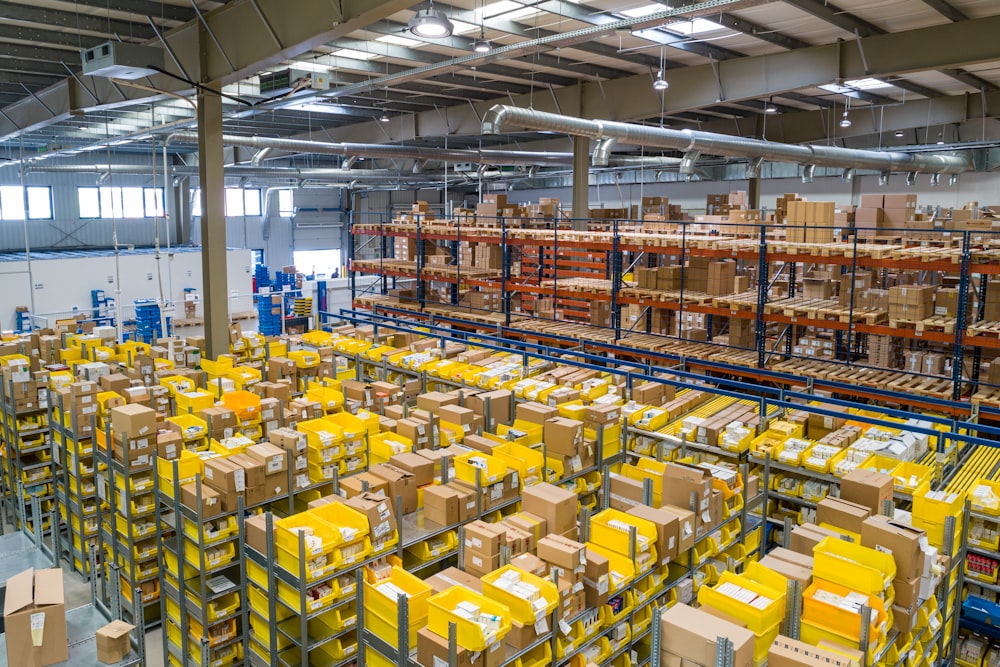
Inventory that speaks to finance
Stock, dispatch, purchase and costing flows stay connected.

Industry-ready workflows
Procurement, inventory, fulfilment, approvals and margin visibility for growing businesses.
Business Setup
Items, users, roles and controls.
Operations
Inventory, orders and fulfilment.
Controls
Approvals, variances and alerts.
Dashboards
Cost, stock, cash and profit views.

What We Do
From ERP implementation to business transformation
We build the Zoho ERP story around the questions promoters actually ask: cost, stock, cash, profit and visibility.
Margin Visibility & Profitability
We configure margin logic so promoters can see contribution, discount leakage, customer profitability and business-line performance.
- Margin leakage tracking
- Landed/project/channel cost
- Product/customer profitability
- Store/project/region margin views
Inventory & Working Capital
We connect stock, ageing, slow movers, receivables, payables and cash conversion cycle so blocked capital becomes visible and actionable.
- Stock and ageing tracking
- Inventory ageing and dead stock
- Receivable and payable ageing
- Working capital dashboards
Procurement & Operations
We map procurement, vendor performance, purchase orders, inventory movement, fulfilment and approvals into a controlled operating flow.
- Vendor and PO controls
- Purchase and item controls
- Purchase variance tracking
- Operations and fulfilment planning
CEO & Business Dashboards
We design dashboards that show promoters the business in one screen: margin, stock, sales, cash, receivables and profitability.
- CEO and CFO dashboards
- Business unit performance reports
- Inventory and working-capital dashboards
- Customer/channel/project margin analytics
Industry Solutions
Zoho ERP built around industry workflows
Every industry needs a different Zoho setup. We map procurement, inventory, operations, approvals, costing and dashboards around the way your business actually runs.
Manufacturing Industry
Production, inventory and costing aligned.
Our manufacturing approach connects BOM, material consumption, production, dispatch, costing and profitability so promoters can see where money is made or blocked.
E-Commerce Industry
Orders, inventory and returns controlled.
Our e-commerce approach connects SKU masters, channel orders, marketplace settlements, warehouse operations, returns, refunds, support tickets, campaign attribution, customer retention and profitability dashboards.
Trading Industry
Procurement and margins stay visible.
Our trading approach connects vendor sourcing, purchase orders, GRN, schemes, dealer networks, agri input or produce movement, import/export flows, receivables and inventory movement into one operating view.
Retail Industry
Stores, stock and loyalty connected.
Our retail approach connects catalog, purchase, inventory, POS/order sync, dealership/service billing, customer service, schemes, store teams and dashboards so owners can see sales, stock and margin clearly.
Real Estate Industry
Bookings, collections and handovers aligned.
Our real estate approach connects CRM, billing, projects, documents, approvals, service tickets and analytics so promoters can track property lifecycle, cash flow and asset performance clearly.
Professional Services Industry
Projects, billing and utilization visible.
Our professional services approach connects CRM, projects, retainers, milestone billing, resource allocation, client requests, site deployment, attendance-linked billing and analytics so partners can see pipeline, delivery health and margins clearly.
Pharma Industry
Batch, compliance and margins controlled.
Our pharma approach connects batch inventory, production or distribution, QC/QA approvals, claims, documentation, CRM, billing and analytics so leadership can track compliance, stock and profitability clearly.
Non-Profit & NGO Industry
Donors, programs and impact connected.
Our non-profit approach connects donor-to-impact workflows so leadership can see restricted fund utilization, beneficiary reach, program progress, compliance documents and transparent dashboards in one place.
Logistics Industry
Shipments, POD and settlements visible.
Our logistics approach connects booking, trip planning, POD, warehouse events, billing, settlements, claims and customer support so owners can see lane margins, fleet utilization, SLA gaps and working capital in one dashboard.
IT & SaaS Industry
Subscriptions, delivery and renewals connected.
Our IT & SaaS approach connects lead-to-contract, onboarding, recurring billing, project delivery, support SLAs, renewals, resource utilization, subscriptions, vendor costs and performance dashboards.
Hospitality Industry
Bookings, service and stores aligned.
Our hospitality approach connects enquiry-to-booking, package billing, procurement and stores, housekeeping, maintenance, guest service, staff scheduling, vendor coordination and management dashboards.
Healthcare Industry
Patients, billing and service connected.
Our healthcare approach connects patient enquiries, appointments, billing, pharmacy and consumable stock, service tickets, staff scheduling, equipment service, claims support and management dashboards.
Financial Services Industry
KYC, approvals and renewals controlled.
Our financial services approach connects lead-to-onboarding, KYC and document collection, approval workflows, service tickets, revenue tracking, collections, renewals, compliance evidence and performance dashboards.
Education Industry
Admissions, fees and batches connected.
Our education approach connects enquiry-to-admission, fee collection, batch and course operations, parent or learner service, staff administration, document workflows, certification, placement and management dashboards.
Construction Industry
Projects, procurement and billing controlled.
Our construction approach connects BOQ and estimate discipline, work orders, subcontractor billing, site inventory, milestone and RA billing, collections, approvals, snagging, safety checks and project dashboards.
Our Process
A structured path to go-live confidence
A phased Zoho rollout keeps daily operations moving while configuration, migration, testing and adoption happen in control.
Who This Is For
Businesses ready to run properly on Zoho
SMEs Scaling Up
SMEs moving from spreadsheets and disconnected tools into Zoho with procurement, inventory, costing, approvals and promoter dashboards.
Multi-Branch & Multi-Entity Teams
Companies that need Zoho configured across locations, entities, warehouses, approval layers and reporting dimensions.
Foreign Companies in India
Indian subsidiaries that need Zoho configured for local operations, inventory, procurement, reporting, statutory records and parent-company visibility.
CRM-to-Finance Workflows
Sales-led businesses that need Zoho CRM, quotes, invoices, collections and revenue reports connected cleanly.
Inventory-Led Businesses
Inventory-led businesses using Zoho Inventory for stock, purchase, fulfilment, transfers, returns and control across locations.
Underused Zoho Accounts
Companies already on Zoho but struggling with wrong setup, messy masters, weak reports, missing automation or low adoption.

Why CFO Angle
Business-first Zoho ERP, not software-first
Most software implementers start with screens. CFO Angle starts with the operating model: procurement, inventory, sales, fulfilment, receivables, payables, cash and dashboards. That is the difference between a Zoho system that only runs and one that improves the business.
Business-led teams
Your Zoho setup is designed by people who understand vendor leakage, operational bottlenecks, inventory blockage, margin gaps, cash pressure and promoter reporting.
Zoho-fit recommendation
We recommend only the Zoho modules, integrations and automations your business needs at its current stage, so the rollout stays practical and usable.
Reporting architecture
We design the operating structure so Zoho produces inventory, procurement, sales, receivables, profitability and promoter dashboards.
Parallel run and hypercare
Your operations continue while procurement, inventory, sales, fulfilment, collections and dashboard workflows are tested, reconciled, trained and stabilised.
CFO Angle implementation lens
Zoho should become a business control room.
We connect process, data, approvals, compliance and dashboards so leadership can act on the numbers, not chase them.

Foreign Companies in India
India-compliant Zoho from day one
Setting up a subsidiary, liaison office, or joint venture in India means Zoho must be configured for Indian statutory requirements from the first transaction.
GST and TDS configuration built into Zoho Books and approval workflows from go-live.
FEMA and RBI reporting supported through clean ledgers, documentation and reporting workflows.
Dual-currency reporting for local INR books and parent-company reporting packs.
Companies Act readiness through proper statutory audit trails, reconciliations and ROC-ready data.
Zoho for Indian Subsidiaries
For GST-native accounting, invoicing, banking and India-compliant financial records.
For item masters, warehouses, order flows, procurement and fulfilment controls.
For dual reporting, MIS dashboards and parent-company visibility.
FAQ
Questions leaders ask before Zoho ERP implementation
Clear answers on SOPs, automation, OCR, procurement, AP controls, compliance and go-live support.

Let's Talk
Your Zoho ERP should be an asset, not a liability
Book a free discovery call with our Zoho implementation team. We will review your procurement, inventory, sales, fulfilment, working capital, profitability and dashboard requirements, then give you a practical rollout roadmap.